

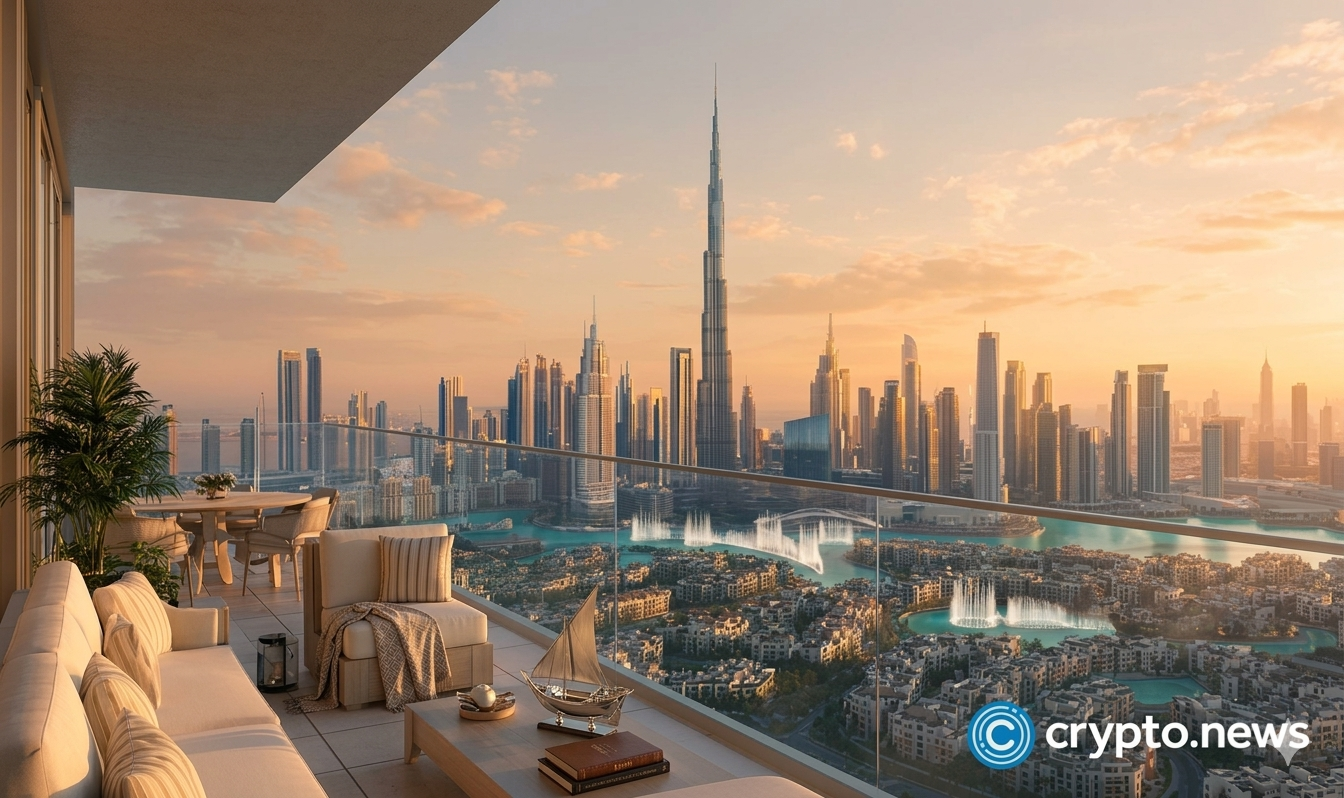
Rising Iran-linked missile and drone attacks are putting pressure on Dubai’s real estate and gold markets, while surging oil prices and restricted airspace are prompting some crypto professionals to relocate. At the same time, Bitcoin is gaining traction as a portable hedge against geopolitical risk.
Summary
Escalating attacks tied to Iran have shaken Dubai’s property and gold sectors, forcing parts of the crypto workforce to reassess their exposure.
While long-term residents remain confident in Dubai’s role as a crypto hub, more mobile professionals are shifting to alternatives like Hong Kong.
Rising oil prices, disruptions around the Strait of Hormuz, and inflation concerns are strengthening Bitcoin’s appeal as a “flight-to-safety” asset, even as market liquidity stays fragile.
Dubai’s reputation as a leading crypto center is now being tested by the realities of conflict. Missile activity, intermittent airspace closures, and regional instability have coincided with a sharp correction in property markets, with real estate indices falling roughly 20–30% since late February. Transaction volumes have also dropped significantly as buyers adopt a wait-and-watch approach, though premium properties have held up relatively better.
First-hand accounts highlight how quickly perceived risk has turned tangible. Industry participants describe missile interceptions and evacuation plans becoming part of daily life, even as some remain optimistic about Dubai’s long-term prospects, viewing the current situation as a temporary downturn rather than a structural decline.
Gold, oil shocks, and Bitcoin’s growing appeal
The impact is also visible in the gold market. With logistical disruptions and partial airspace closures, gold in Dubai is trading at discounts compared to global benchmarks, as moving physical bullion becomes more difficult.
Meanwhile, oil price spikes driven by tensions around the Strait of Hormuz are feeding inflation concerns and market volatility. These pressures have caused sharp swings in Bitcoin’s price, reflecting broader shifts in risk appetite.
At the same time, Bitcoin is increasingly being viewed as a form of financial “insurance.” Unlike physical assets such as property or gold, it can be transferred globally without reliance on transport or traditional financial infrastructure—an advantage during periods of geopolitical disruption.
Changing dynamics within the crypto workforce
The evolving situation is also reshaping where crypto professionals choose to operate. Highly mobile workers, including traders and exchange employees, are beginning to relocate to other hubs like Hong Kong, which offer regulatory clarity without the same level of geopolitical risk.
However, not everyone is leaving. Many long-term residents—especially those with families and deeper roots—continue to see Dubai as a viable base, suggesting a divide between mobile capital and more established participants.
This shift is already visible in the broader ecosystem. Major events have been postponed or reconsidered, and companies are increasingly diversifying their geographic presence to hedge against regional instability.
What lies ahead
For now, Dubai’s future as a crypto hub hinges on how the geopolitical situation evolves. If tensions remain contained, the city could continue operating as a high-risk, high-reward destination for global capital. However, any escalation that directly impacts infrastructure or civilian areas could trigger a more sustained outflow of talent and investment.
In such an environment, assets like Bitcoin may continue to benefit, as investors seek flexible, borderless alternatives when traditional markets face disruption.

