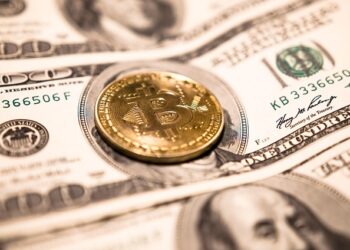
Bitcoin Slides Amid Trump’s Tariff Threat, Markets Shaken at Asia Open
Bitcoin fell roughly 3% to around $92,000 in early Asian trading on Monday as traders cut risk following a fresh tariff threat from former President Donald Trump. The tariffs target eight European countries—Denmark, Norway, Sweden, France, Germany, the Netherlands, Finland, and Britain—and are tied to Trump’s push for US ownership of Greenland.
Trump warned that additional 10% import tariffs could take effect on February 1, rising to 25% by June 1 if no deal is reached. European officials slammed the move as coercive, intensifying already tense transatlantic relations.
Market Snapshot (Monday, Asia Open)
Bitcoin (BTC): $92,506, down 2.6%
Ethereum (ETH): $3,203, down 3%
XRP: $1.96, down 4.7%
Total crypto market cap: $3.21 trillion, down 2.7%
Holiday Thins Liquidity, Futures Lead the Risk-Off Move
With US cash markets closed for a holiday, derivatives markets reacted first. US stock futures slid—S&P 500 futures down 0.7%, Nasdaq futures down 1%—while Asian equities followed, with Japan’s Nikkei down ~1% and MSCI’s Asia Pacific index (ex-Japan) slipping 0.1%. Europe looked soft too, with Euro Stoxx 50 and DAX futures down 1.1%, as traders priced in the uncertainty.
Currencies mirrored the risk-off mood: the dollar weakened slightly against traditional safe havens like the yen (-0.3%) and Swiss franc (-0.2%), while the euro steadied after an early dip.
Gold Hits Record, Oil Slips, Crypto Feels the Jolt
Investors sought safety in commodities: gold jumped 1.5% to a record, silver also hit all-time highs, while Brent and US crude slipped, reflecting concerns about a potential US-Europe trade war.
Crypto markets reacted immediately, as Bitcoin trades continuously. As prices dropped, leveraged positions unwound, leading to heavy long liquidations, amplifying the volatility.
EU Pushes Back, Prepares Retaliation
In Brussels, EU diplomats said ambassadors agreed to step up efforts to dissuade Trump while preparing possible retaliation if tariffs proceed. Measures under consideration include:
Reactivating tariffs on €93 billion of US imports
Using the Anti-Coercion Instrument to restrict EU access to US tenders, investment, or service trade—a tool never previously deployed
Strategists Warn of Capital Flow Risks
Beyond tariffs, strategists highlight the risk of capital flight. Deutsche Bank noted that European investors hold around $8 trillion in US bonds and equities, and a shift in those holdings could prove more disruptive than tariffs themselves, describing it as a potential “weaponization of capital.”
Eyes on Upcoming Catalysts
Markets also have a busy week ahead:
China will report economic growth figures
Bank of Japan meets, with investors watching for signs of policy tightening
US economic data may influence expectations for Federal Reserve moves
World Economic Forum in Davos: Trade and security will dominate, with the Greenland dispute likely a hot topic.